
In the news
Another busy week or two in GA; Sun ‘n Fun, the future of Santa Monica Airport, FAPA Redbird sim, the Schiff Show, non-towered airports, the Civil Air Patrol, and flying tips.
My goal to make this blog weekly is apparently not gonna happen! Nope! Got busy with stuff, and too many distractions and suddenly it’s almost the end of April!. So maybe twice a month? Or, as needed….?
So, the first big GA airshow of the year, Sun ‘n Fun, in Lakeland, Florida, which started back in 1974, but has grown significantly, ended recently. It was April 14-19 this year. They were expecting over 200,000! I’ve been once, many years ago. It’s fun, with lots to see, with the attendance now about 1/3 the size of AirVenture in Oshkosh, which las t year had over 686,000 attendees! There’s fly-in camping, vendors, exhibitors, seminars, and a daily airshow, which this year featured the Air Force’s aerial demonstration team, the Thunderbirds. Maybe I’ll make it next year?
—-
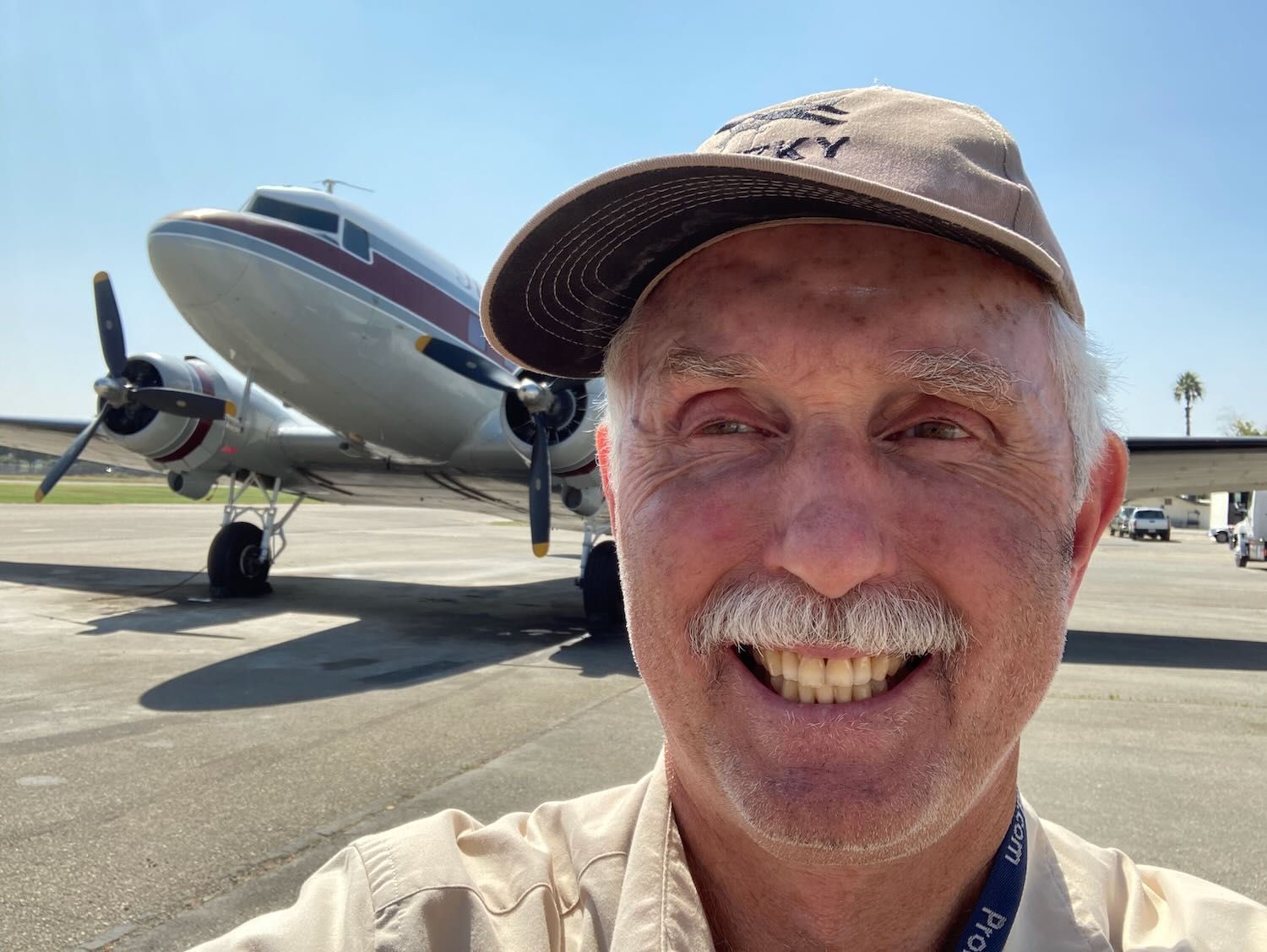
Closer to home, Santa Monica Airport (KSMO), which is just north of LAX, opened in April 1923, and was the original home of the Douglas Aircraft Company, founded by Donald Douglas. He designed and built many prop aircraft for the military and later, jets, for the airlines, including the iconic DC-3, of which over 150 are still flying. I flew a DC-3, a few years ago, in 2022.
It is tentatively scheduled to close in 2028. This was decided a few years ago when a previous FAA Administrator, Michael Huerta, had reached an agreement with the City of Santa Monica, to close the airport, because of a small but vocal group of residents who oppose the airport, citing aircraft noise and safety, after some aircraft crashed near the airport.
It’s located in what is now a densely populated urban area. Recently. a grass-roots movement has begun, which resists closing it, and is now working on ways to keep it open. I recently received an email from The Santa Monica Airport Association, that is now fighting to keep SMO open. Below is a screenshot of part of the email. They have organized a grass-roots campaign to engage with the local community and today are going door-to-door to educate local citizens about the airport. Stay tuned.
—
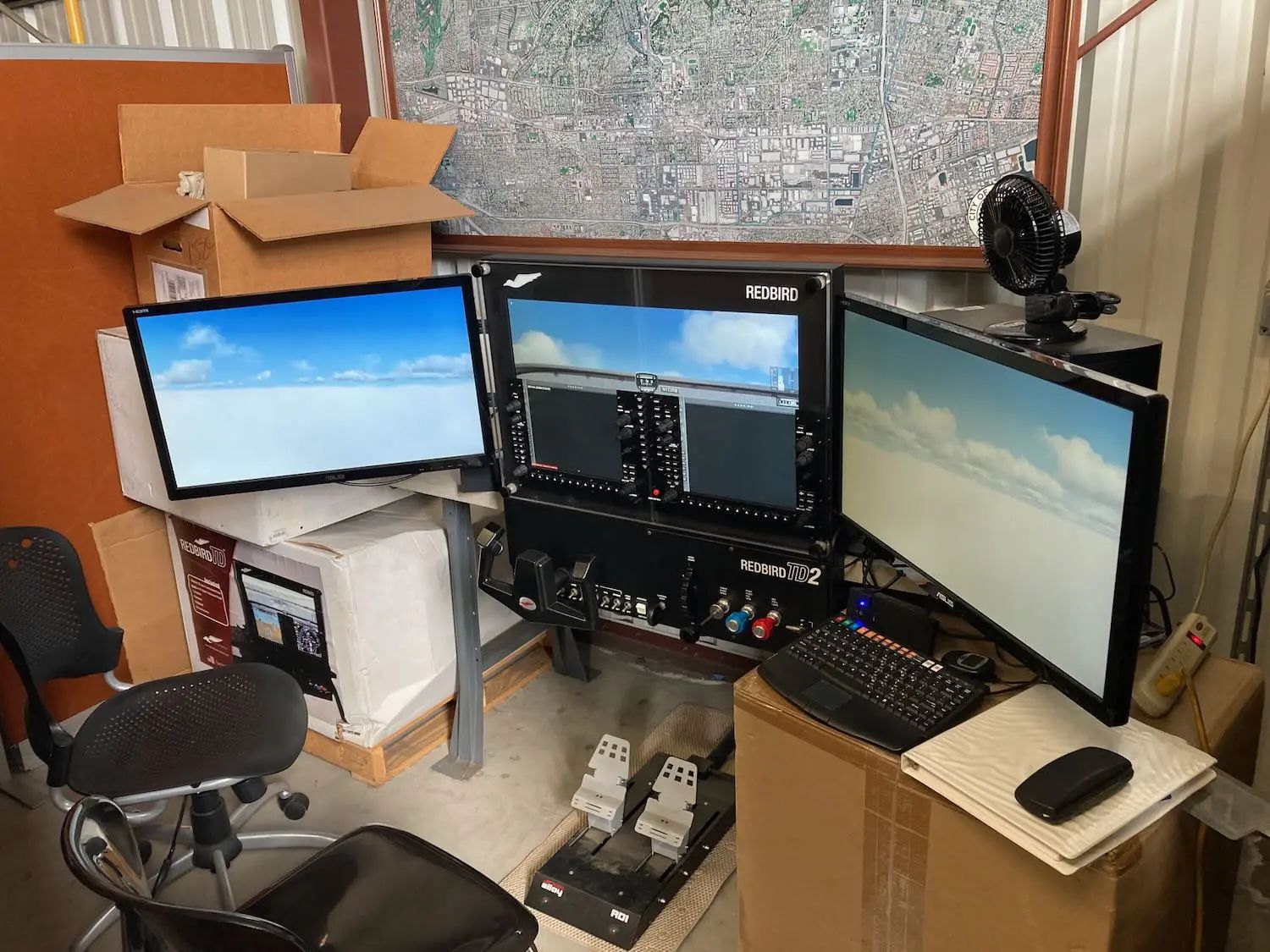
Earlier this month, I spent an hour flying a small, (Redbird) desktop flight simulator, to maintain my IFR (instrument flight rules) ‘currency’ (recent experience) requirement and proficiency. Because this is a Basic Airplane Training Device (BATD), no instructor is required, and I can do this on my own. It’s tucked away in a hangar at nearby Fullerton Airport (KFUL). I do this regularly to keep ‘IFR current’. This is a requirement per the FAR’s, specifically FAR 61.57, which addresses recent flight experience, for the pilot-in-command, and spells out ‘currency’ requirements. Like any skill, which flying is, if you don’t practice regularly, you get rusty! Thus, the saying, use it or lose it!
—
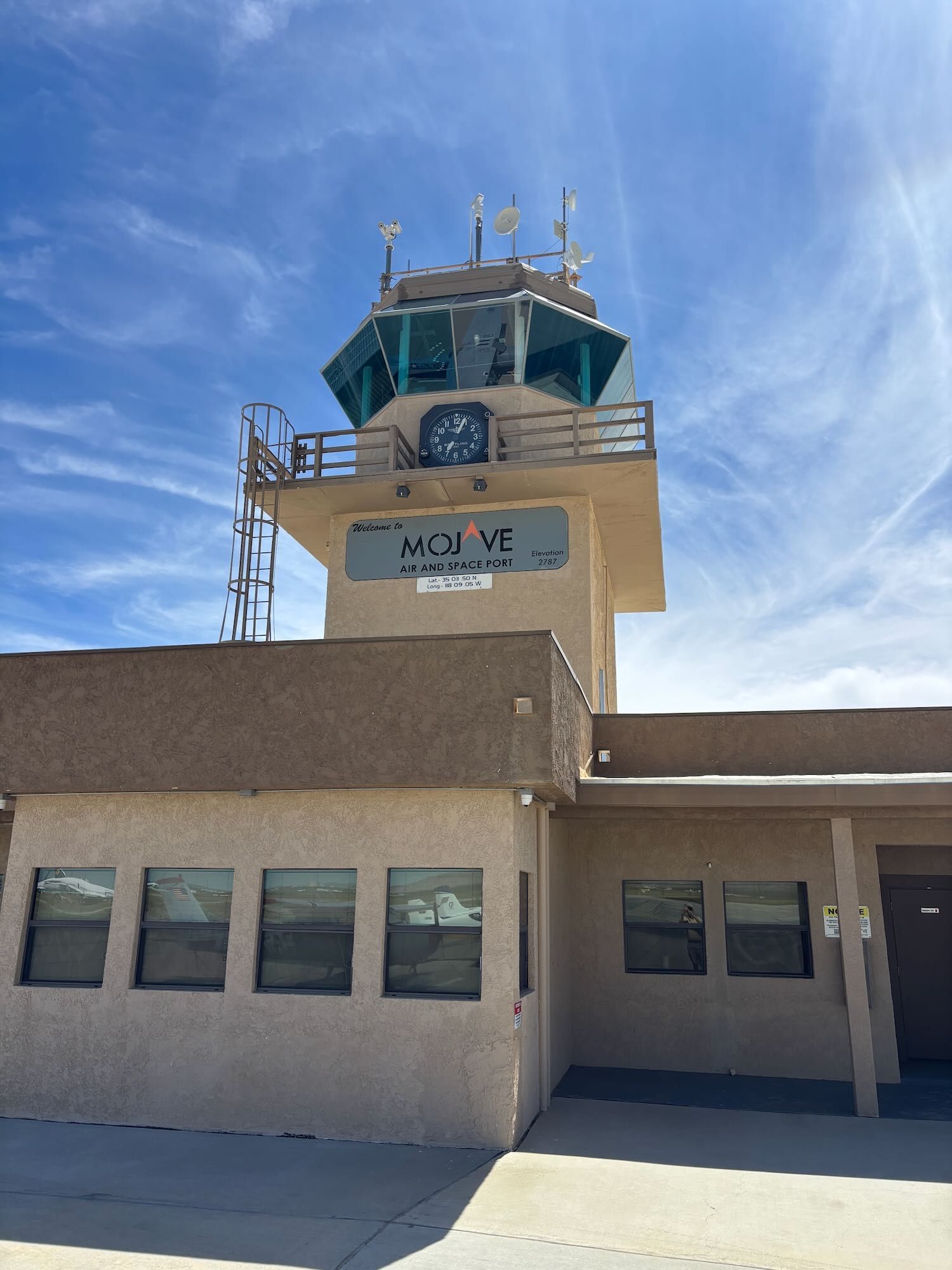
A colleague, who is an airline captain, Brian Schiff, has a monthly webinar, called ‘The Schiff Show’. His show is all about aviation safety, naturally. A recent show discussed operations at non-towered airports, in other words, airports that do not have an operating control tower to direct and control the flow arriving and departing aircraft. These airports do not have enough air traffic to justify an air traffic control tower. Only the busier airports in the country have a tower
And of course, the FAA has published procedures for how to operate safely at non-towered airport, in a manual (now digital or hardbound) called the Aeronautical Information Manual (AIM) and in fact, most airports (almost 20,000) in the US do not have an operating control tower. The 23 busiest, air carrier (airline) airports (like JFK, ORD, DFW, MIA, LAX etc.) and general aviation (GA) airports do have an operating control tower. Smaller, less busy airports do not require one. It’s based on traffic counts, among other things. Military airports do have operating control towers.
—
This past weekend I participated in a 1 ½ day course put on by the California Wing of the Civil Air Patrol (CAP), which is a civilian auxiliary of the Air Force. There are over 65,000 members! There are approximately 36,000 adult senior members, and 29,000 cadets. I am a member again. My membership had lapsed. I rejoined 2 years ago. The CAP has a large fleet of aircraft, over 550 late model Cessna’s, in various locations around the country. They are well equipped single engine aircraft, with modern glass cockpits. Like the Air Force, it has a structured hierarchy that has Regions, Wings, Groups (if necessary) and Squadrons. I am a member of Squadron 40, at Fullerton Airport.
To fly CAP aircraft, you have to undergo regular training and get checked out, by a CAP Instructor Pilot, and then fly with a CAP Designated Check Pilot, to become qualified. CAP has its’ own rules, which typically meet or exceed FAA requirements. I have to participate in annual training, demonstrating proficiency, to maintain my qualifications. And then I am able to fly them at no cost, as a volunteer, and participate in what are called ‘missions’, and ‘sorties’, like the military refers to them.

The CAP is a non-profit, 501 ( c ) (3), volunteer organization, formed in 1941. The aircraft are paid for by a combination of the US Air Force funds, as well as private donations, grants and fund-raising, and are used for pilot training, proficiency flights, as well as search and rescue, disaster relief, aerial photography and other humanitarian missions. The CAP has an annual budget of approx. $47.3 million USD for operations and maintenance, and $10 million for aircraft and vehicle procurement.
The course is part of the required training to become an AEO, or Aerospace Education Officer. Aerospace Education is one of the roles of the CAP. Both adult aka senior members, as well as cadets (age 12 – 18) are encouraged to participate and learn about the many facets of aviation, which is huge! There’s a lot of admin work and record keeping required, among other things.
—
Finally, some flying tips –
As we are quickly approaching the summer flying season, a few tips; These are ‘common sense’ but, common sense is ‘not’ common anymore, as I see it.
As warmer weather arrives, watch ‘density’ altitude, which is another word for aircraft ‘performance’. In other words, air density decreases in warmer air, resulting in degraded aircraft performance, in normally aspirated engines; thus, longer takeoff distances, and slower climbs.
Afternoon thunderstorms – remember, thunderstorms require 3 ingredients, moisture, unstable air, and lifting action. These are typically found in the afternoon, during the heat of the day. Give thunderstorms wide berth, at least 50 miles! Get a good weather briefing, and update it as often as needed. And with the available technology now, on your EFB (electronic flight bag), and I use ForeFlight, the navigation apps will display ‘convective activity’, which is what thunderstorms are. ForeFlight is probably the most widely used EFB, with 1000’s of subscribers.
—
Finally, IF you are in need of an experienced instructor to work with you, in YOUR AIRPLANE (I don’t work with renters) to improve ‘rusty’ IFR or VFR piloting skills, provide avionics training, add or finish your instrument rating, or anything else, I AM available! I WILL travel to YOUR location. Contact me for more information.
Also, in addition to flying airplanes and training pilots, I am also a freelance writer and speaker. In my pursuit of continuous learning and skill development, I recently completed a course offered by AWAI (American Writers and Artists Institute), on B2B (business to business) Copywriting, to ideally focus on the aviation industry. Please contact me about this if you want to learn more!
Fly safely!
John
Recent Posts